Core Technologies & Expertise
for Industry Collaboration
Core Technologies & Expertise
for Industry Collaboration
Introducing our leading researchers with valuable capabilities and technologies. We are seeking entrepreneurs, start ups and industry partners interested in implementing these capabilities into outstanding products or services.
Following are leading researchers with valuable capabilities and technologies. We are seeking entrepreneurs, start ups and industry partners interested in implementing these capabilities into outstanding products or services.
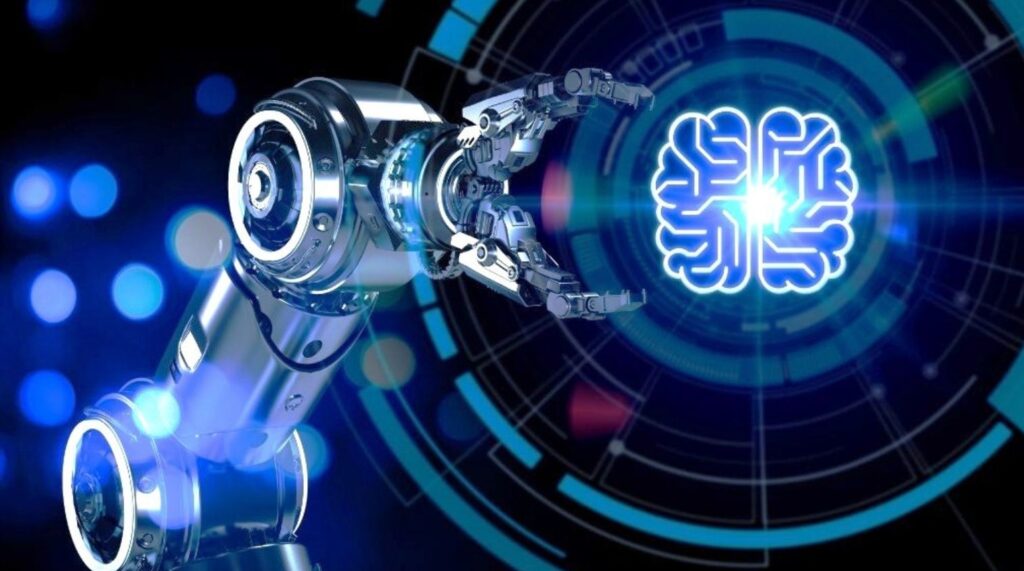
Robotics and Big Data Lab
Prof. Dan Feldman, Department of Computer Sciences
Expert in data reduction algorithm “core-set” (a semantic compression of the big data input for a given problem). The algorithms are based on novel techniques in machine learning, speech recognition, computational geometry, compressed sensing and computer vision. Value proposition:
- Data Reduction INSTEAD of Optimization.
- Reusing traditional Algorithms on smaller data summarization.
- Direct reductions to streaming/distributed.
- Apply on “weak” hardware (IoT/GPU).
Robotics and Big Data Lab
Prof. Dan Feldman,
Department of Computer Sciences
Expert in data reduction algorithm “core-set” (a semantic compression of the big data input for a given problem). The algorithms are based on novel techniques in machine learning, speech recognition, computational geometry, compressed sensing and computer vision. Value proposition:
- Data Reduction INSTEAD of Optimization.
- Reusing traditional Algorithms on smaller data summarization.
- Direct reductions to streaming/distributed.
- Apply on “weak” hardware (IoT/GPU).
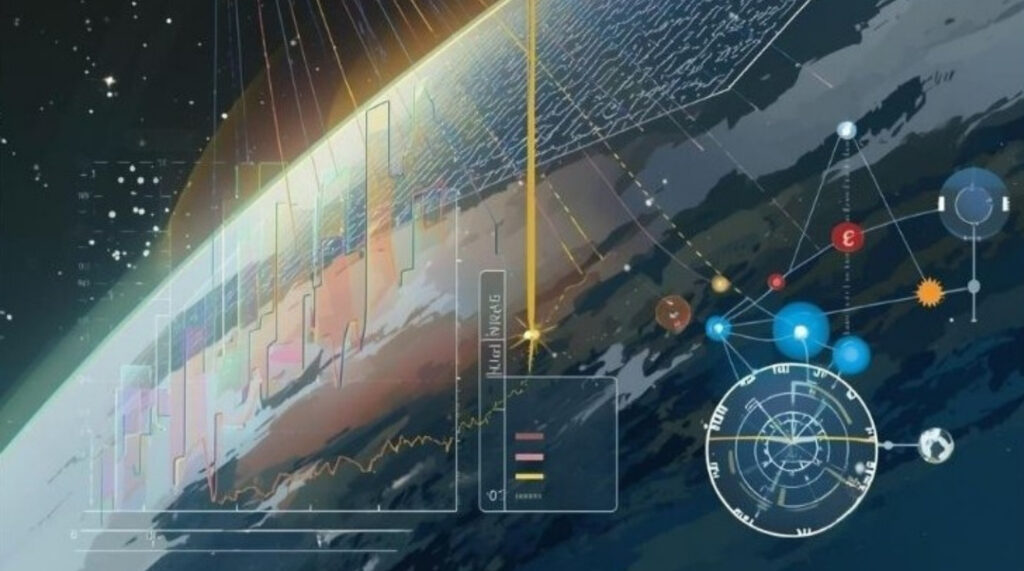
Spectroscopy and Remote Sensing Lab
Prof Anna Brook, Department of Geography and Environmental studies
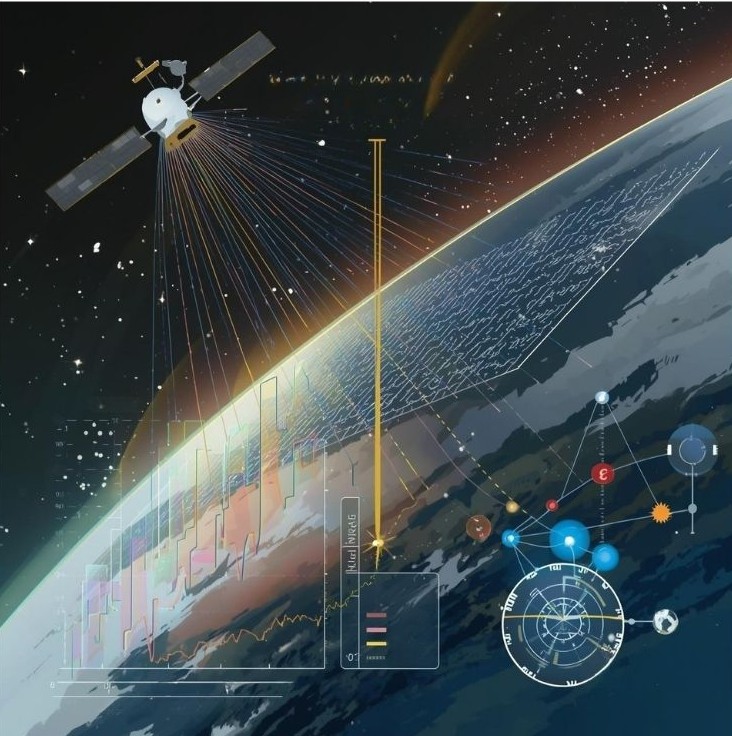
Development of data fusion techniques and efficient algorithms for advanced remote sensing emphasizing on multi-source data fusion. Image and signal processing, automation target recognition, environment spatial applications and modelling, sub-pixel detection, spectral models across NIR-MIR regions, precise agriculture and study of atmospheric models. Value proposition:
- Detecting fires from space.
- Precision agriculture.
- Identifying oil spills at sea
Spectroscopy and Remote Sensing Lab
Prof Anna Brook,
Department of Geography and Environmental studies
Development of data fusion techniques and efficient algorithms for advanced remote sensing emphasizing on multi-source data fusion. Image and signal processing, automation target recognition, environment spatial applications and modelling, sub-pixel detection, spectral models across NIR-MIR regions, precise agriculture and study of atmospheric models. Value proposition:
- Detecting fires from space.
- Precision agriculture.
- Identifying oil spills at sea
Autonomous Navigation and Sensor Fusion Lab
Prof. Itzik Klein, Department of Marine Technologies
Focuses on the intersection of AI with inertial sensing, creating value for ocean and environment protection, identifying illnesses and well-being in humans and animals, and developing tools for autonomous vehicles teamwork. Value proposition:
- Data-driven navigation and sensor fusion.
- Inertial sensing Multi-purpose navigation (humans, animals, robots, drones) Information aided navigation.
- Autonomous underwater vehicle navigation.

Prof. Itzik Klein,
Department of Marine Technologies
Focuses on the intersection of AI with inertial sensing, creating value for ocean and environment protection, identifying illnesses and well-being in humans and animals, and developing tools for autonomous vehicles teamwork. Value proposition:
- Data-driven navigation and sensor fusion.
- Inertial sensing Multi-purpose navigation (humans, animals, robots, drones) Information aided navigation.
- Autonomous underwater vehicle navigation.
Autonomous Navigation and Sensor Fusion Lab

Swarm and AI (SAIL) Lab
Prof. Oren Gal, Department of Marine Technologies
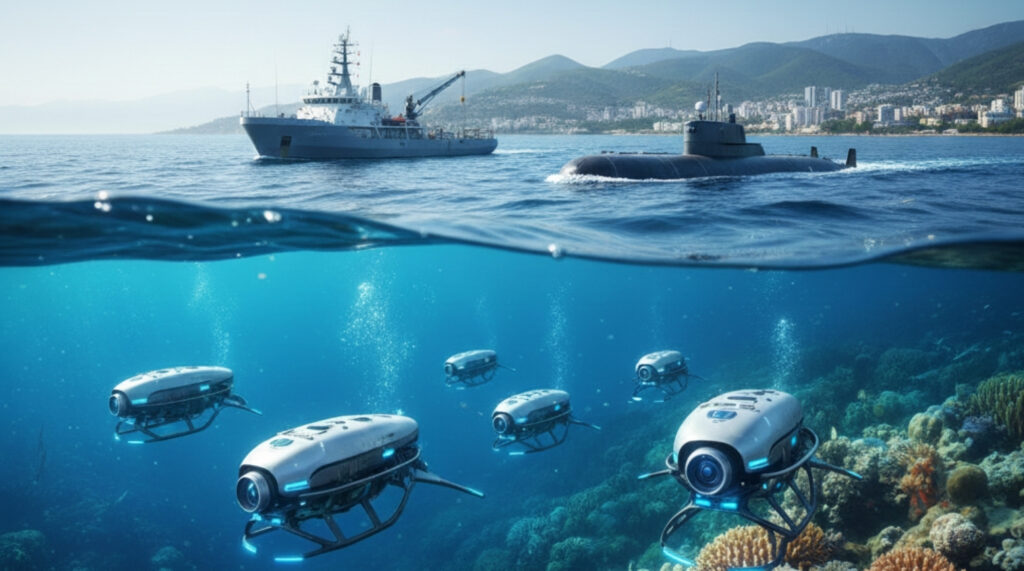
Creation of systems designed to perform a myriad of tasks in a group of autonomous agents (Swarm) with increased efficiency and adaptability. The Swarm (can be drones or robots or nanoparticles for medicine) work collectively to perform tasks through decentralized coordination and communication. Value proposition:
- Decision-making algorithms (also using neuromorphic computing).
- Algorithms for detecting underwater targets.
- Underwater vision enhancement in underwater vehicles and drones.
Swarm and AI (SAIL) Lab
Prof. Oren Gal,
Department of Marine Technologies
Creation of systems designed to perform a myriad of tasks in a group of autonomous agents (Swarm) with increased efficiency and adaptability. The Swarm (can be drones or robots or nanoparticles for medicine) work collectively to perform tasks through decentralized coordination and communication. Value proposition:
- Decision-making algorithms (also using neuromorphic computing).
- Algorithms for detecting underwater targets.
- Underwater vision enhancement in underwater vehicles and drones.
Dr. Alaa Maalouf,
Faculty of Computer Sciences
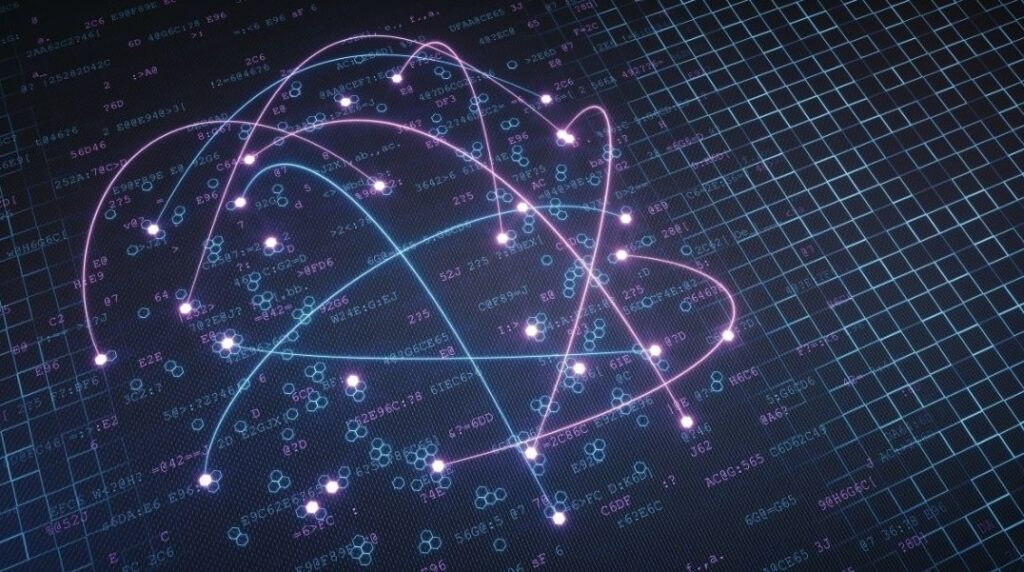
Focuses on making machine learning more efficient to democratize its access and expand its applicability as well as developing intelligent robots capable of reasoning, interacting, and making decisions. Value proposition:
- Generalizable Autonomy: design of policies that allow autonomous vehicles and drones to operate safely and robustly in environments they have never encountered before.
- Efficient LLM Adaptation: Enable adaption of LLM models using only a handful of examples and minimal computation in order to escalate rapid customization of AI assistants, domain-specific applications, and innovative products.
Dr. Alaa Maalouf,
Faculty of Computer Sciences
Focuses on making machine learning more efficient to democratize its access and expand its applicability as well as developing intelligent robots capable of reasoning, interacting, and making decisions. Value proposition:
- Generalizable Autonomy: design of policies that allow autonomous vehicles and drones to operate safely and robustly in environments they have never encountered before.
- Efficient LLM Adaptation: Enable adaption of LLM models using only a handful of examples and minimal computation in order to escalate rapid customization of AI assistants, domain-specific applications, and innovative products.