


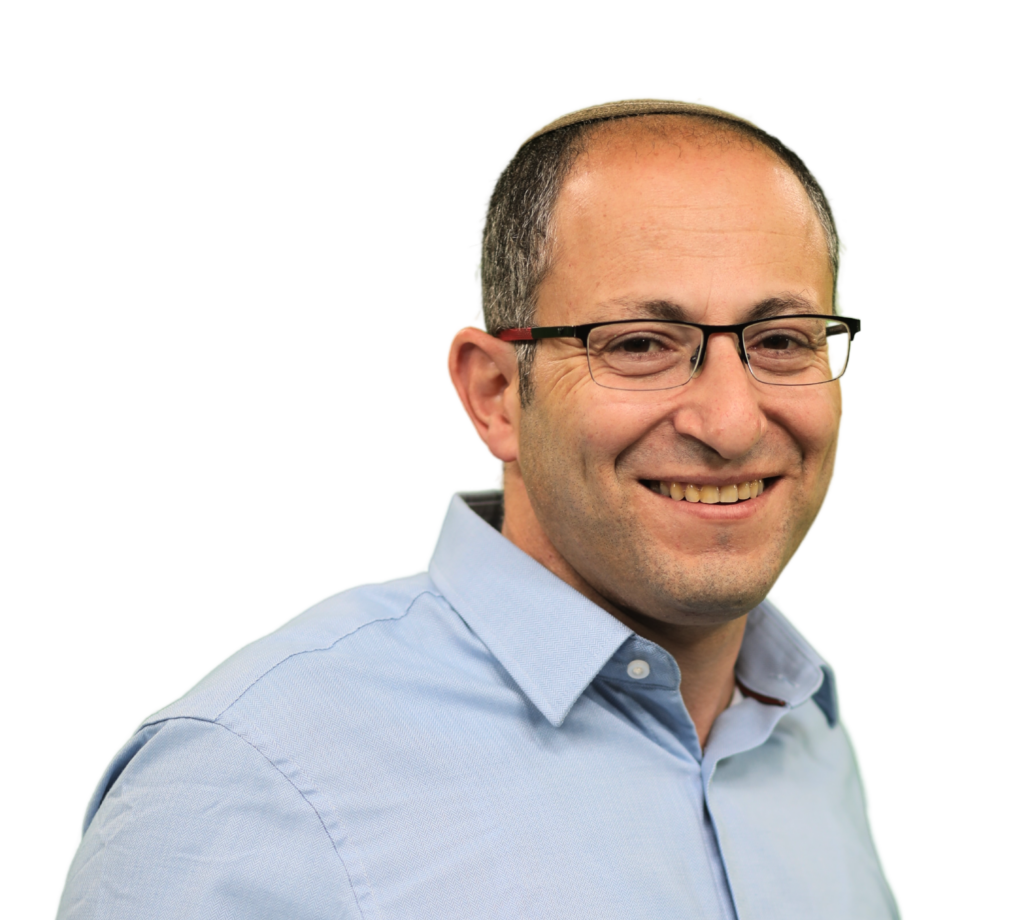
Prof. Oren Gal
Head of the Swarm and AI (SAIL) Lab
Research areas:
- Decision-making for swarms using neuromorphic computing
- Development of algorithms for decision-making in robotic groups (swarms)
- Advanced algorithms for detecting underwater targets through the fusion of information from multiple sensors.
- Vision-Language Models (VLMs) for Intent-Driven Autonomy
- Multi-Agent Learning & Policy Optimization
- Medical Applications: Swarm Behavior for Cell Analysis
- Ocean Monitoring & Environmental Protection - Generating imaging from sonar data
The Swarm and AI (SAIL) Lab leads cutting-edge research in collective intelligence and autonomous systems. A swarm refers to a group of autonomous agents, such as drones or robots or nanoparticles for medicine, that work collectively to perform tasks through decentralized coordination and communication.
Inspired by natural systems like flocks of birds or schools of fish, swarm intelligence leverages the principles of self-organization and collaboration among individual agents to achieve complex objectives efficiently.
In our cutting-edge research, we delve into the complex and rapidly evolving field of swarms and autonomy, leveraging the latest advancements in artificial intelligence (AI) to push the boundaries of autonomous systems.
Our research focuses on creating both homogeneous and heterogeneous systems, designed to perform a myriad of tasks with increased efficiency and adaptability. Through our dedicated efforts, we strive to pioneer innovations that contribute significantly to the fields of autonomy and robotic swarms, ultimately shaping the future of intelligent autonomous systems.
Our work encompasses a broad spectrum of AI techniques, including motion planning, reinforcement learning, and distributed multi-agent systems. By harnessing the power of data science tools, such as large language models (LLM), neural networks, and more.
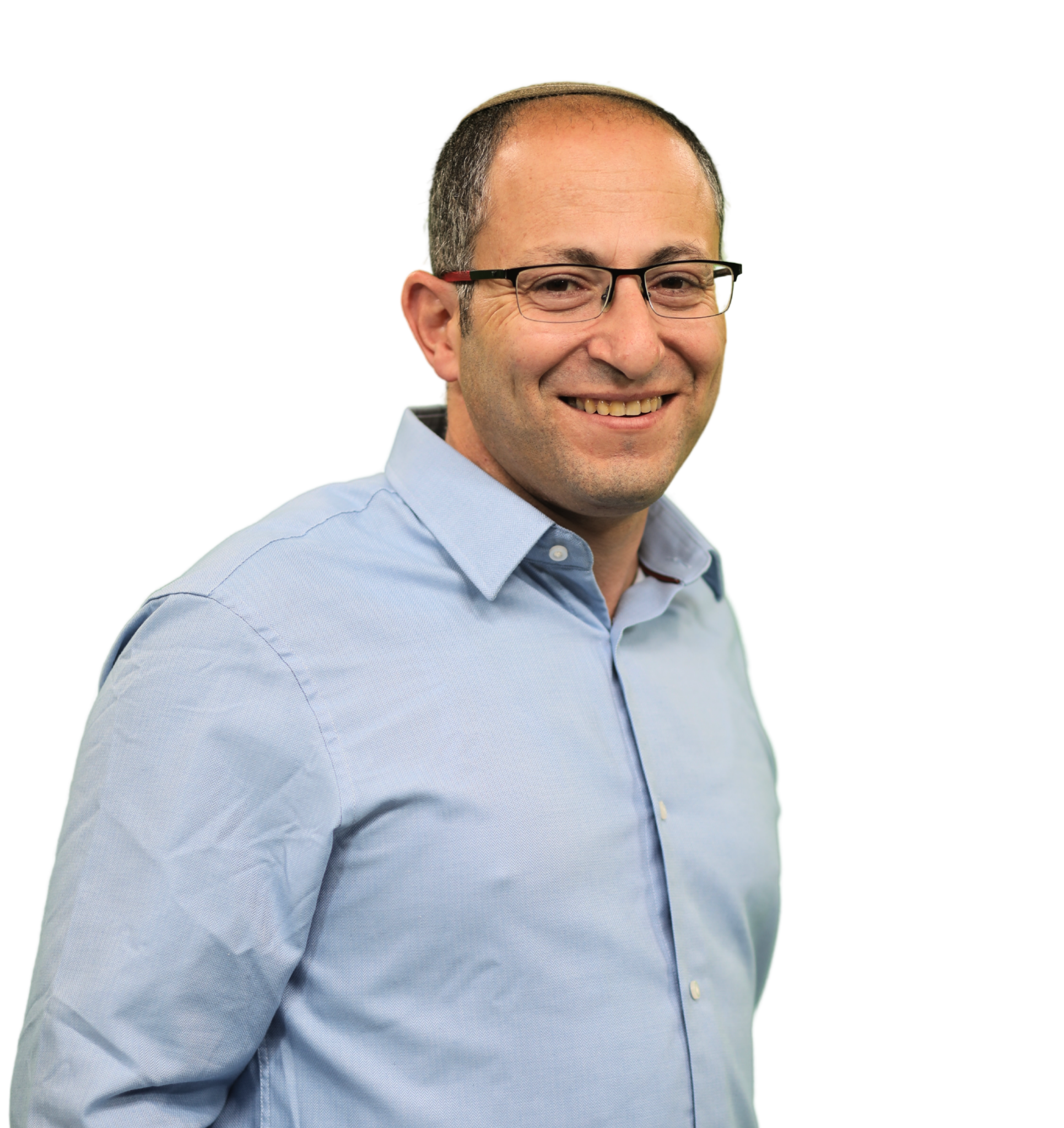
Prof. Oren Gal
Head of the Swarm and AI
(SAIL) Lab
Research areas:
- Decision-making for swarms using neuromorphic computing
- Development of algorithms for decision-making in robotic groups (swarms)
- Advanced algorithms for detecting underwater targets through the fusion of information from multiple sensors.
- Vision-Language Models (VLMs) for Intent-Driven Autonomy
- Multi-Agent Learning & Policy Optimization
- Medical Applications: Swarm Behavior for Cell Analysis
- Ocean Monitoring & Environmental Protection - Generating imaging from sonar data
The Swarm and AI (SAIL) Lab leads cutting-edge research in collective intelligence and autonomous systems.
A swarm refers to a group of autonomous agents, such as drones or robots or nanoparticles for medicine, that work collectively to perform tasks through decentralized coordination and communication.
Inspired by natural systems like flocks of birds or schools of fish, swarm intelligence leverages the principles of self-organization and collaboration among individual agents to achieve complex objectives efficiently.
In our cutting-edge research, we delve into the complex and rapidly evolving field of swarms and autonomy, leveraging the latest advancements in artificial intelligence (AI) to push the boundaries of autonomous systems.
Our research focuses on creating both homogeneous and heterogeneous systems, designed to perform a myriad of tasks with increased efficiency and adaptability. Through our dedicated efforts, we strive to pioneer innovations that contribute significantly to the fields of autonomy and robotic swarms, ultimately shaping the future of intelligent autonomous systems.
Our work encompasses a broad spectrum of AI techniques, including motion planning, reinforcement learning, and distributed multi-agent systems. By harnessing the power of data science tools, such as large language models (LLM), neural networks, and more.