


Technologies ready for industry adoption
Technologies ready for industry adoption
We invite investors, entrepreneurs, and ecosystem partners to collaborate and commercialize these groundbreaking innovations.
Following are list of projects ready to move from lab to market. We invite investors, entrepreneurs, and ecosystem partners to collaborate and commercialize these groundbreaking innovations.

Prevention and treatment of Triple Negative Breast Cancer
Prof. Sarit Larisch, Department of Human Biology
Prof. Sarit Larisch and her team have discovered ARTS – A pro-apoptotic and tumor suppressor protein which has been found to efficiently KILL breast cancer cells and REVERT pre-malignant breast organoids back to their normal phenotype, leaving the normal breast cells intact. These compounds can be developed into novel, life-saving drugs for multiple cancers.

Prevention and treatment of Triple Negative Breast Cancer
Prof. Sarit Larisch,
Department of Human Biology
Prof. Sarit Larisch and her team have discovered ARTS – A pro-apoptotic and tumor suppressor protein which has been found to efficiently KILL breast cancer cells and REVERT pre-malignant breast organoids back to their normal phenotype, leaving the normal breast cells intact. These compounds can be developed into novel, life-saving drugs for multiple cancers.
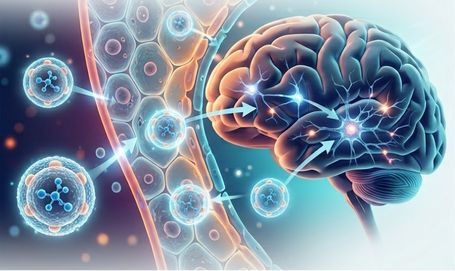
Exonyx – Next Generation CNS delivery
Prof Shani Stern, Department of Neurobiology
A platform technology designed to transform treatment of neurological and psychiatric disorders through programmable exosome therapeutics engineered for precise central nervous system molecular delivery.
Exonyx – Next Generation CNS delivery
Prof Shani Stern,
Department of Neurobiology
A platform technology designed to transform treatment of neurological and psychiatric disorders through programmable exosome therapeutics engineered for precise central nervous system molecular delivery.
Blood Biomarkers for predicting drug response in psychiatric disorders
Prof Shani Stern, Department of Neurobiology
Using patient-derived neurons, blood biomarkers and machine learning the lab has developed a blood test which predicts drug responses to first line drugs in Bi-polar disorder and Schizophrenia with over 90% accuracy as well as suicide risk prediction in Bi-Polar patients. The brain organoid models can also enable testing of new treatments.
Blood Biomarkers for predicting drug response in psychiatric disorders
Prof Shani Stern,
Department of Neurobiology
Using patient-derived neurons, blood biomarkers and machine learning the lab has developed a blood test which predicts drug responses to first line drugs in Bi-polar disorder and Schizophrenia with over 90% accuracy as well as suicide risk prediction in Bi-Polar patients. The brain organoid models can also enable testing of new treatments.
Foundation Model for human-dog communication based on science
Prof. Anna Zamansky, Department of Information Systems
Tech4Animals lab at Haifa University has developed a unique AI tool for understanding MY PET behavior and promote its well-being. The product is based on animal-centered AI research done in the lab including machine learning tools for behavioral traits, movements and specific characteristics in pets.

Prof. Anna Zamansky,
Department of Information Systems
Tech4Animals lab at Haifa University has developed a unique AI tool for understanding MY PET behavior and promote its well-being. The product is based on animal-centered AI research done in the lab including machine learning tools for behavioral traits, movements and specific characteristics in pets.
Foundation Model for human-dog communication based on science
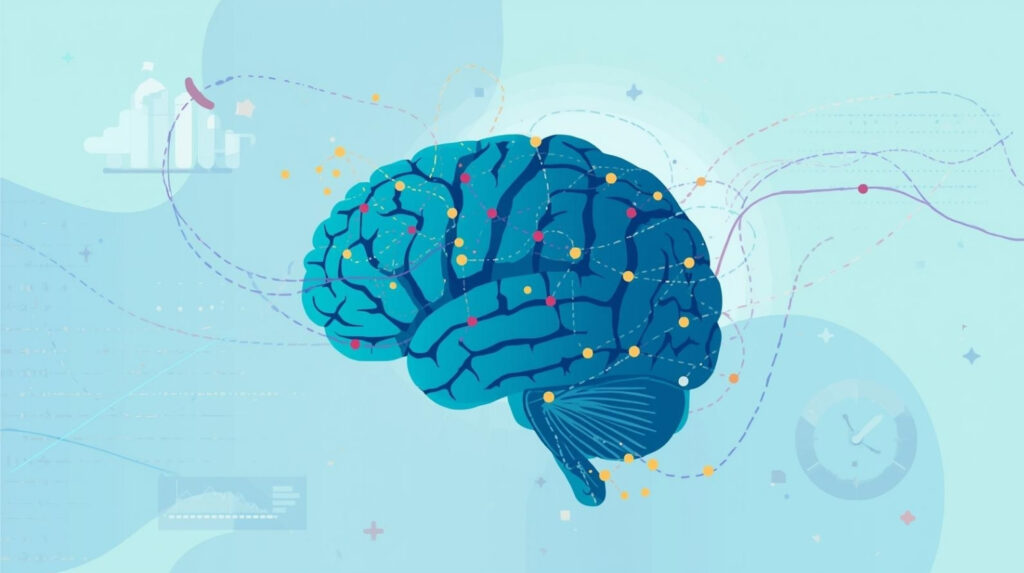
DIGILTON - Image‑based digital measure for evaluation of depression
Prof. Sigal Zlica-Mano, Department of Psychology
Digilton is a smartphone-based assessment tool that mirrors the accuracy of the Hamilton Rating Scale for Depression — the gold standard for evaluating depressive symptoms in clinical interviews. It delivers results as accurate as a one-hour clinical interview, in a minute.
DIGILTON - Image‑based digital measure for evaluation of depression
Prof. Sigal Zlica-Mano, Department of Psychology
Creation of systems designed to perform a myriad of tasks in a group of autonomous agents (Swarm) with increased efficiency and adaptability. The Swarm (can be drones or robots or nanoparticles for medicine) work collectively to perform tasks through decentralized coordination and communication. Value proposition:
- Decision-making algorithms (also using neuromorphic computing).
- Algorithms for detecting underwater targets.
- Underwater vision enhancement in underwater vehicles and drones.
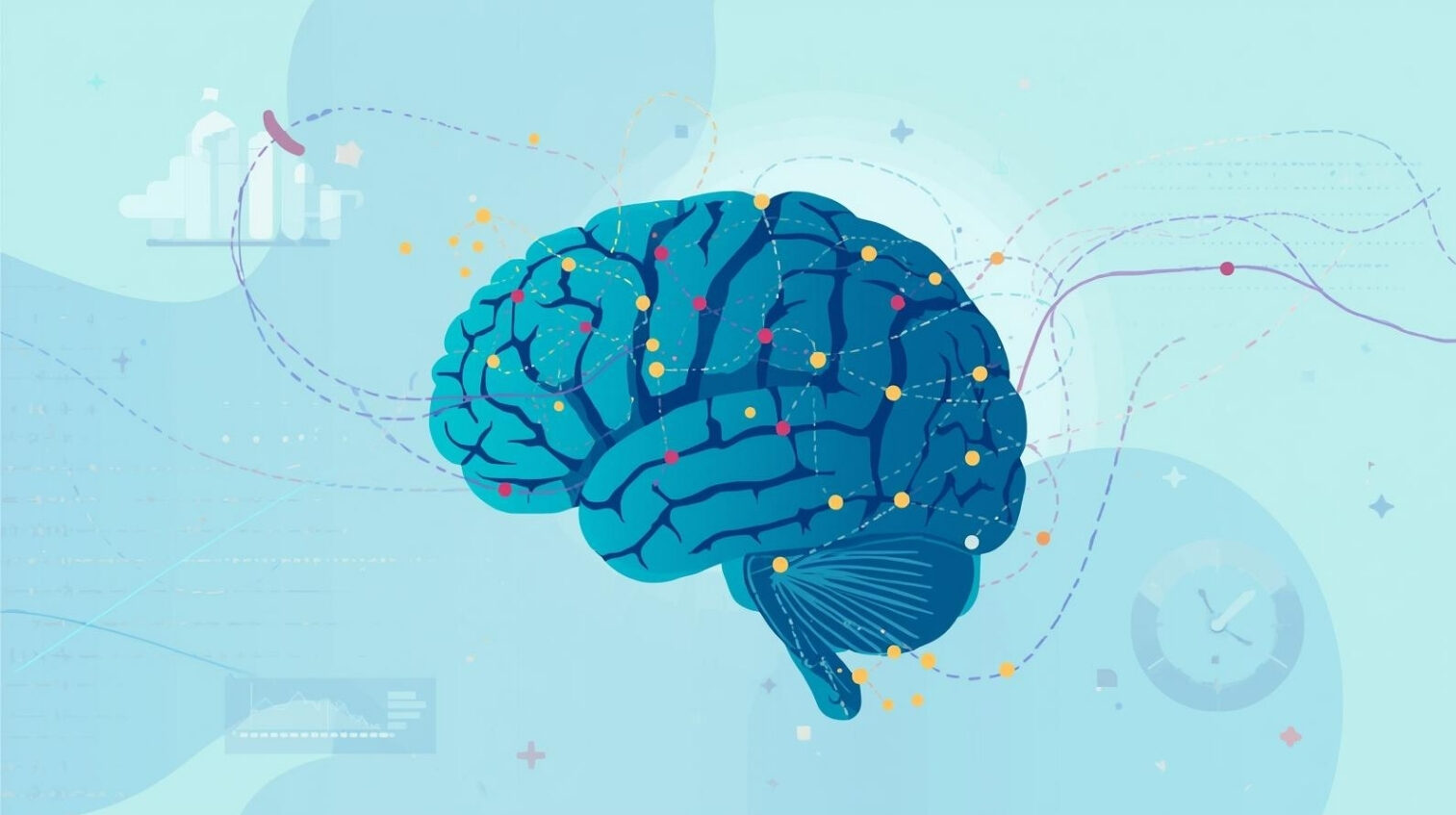
QR2i – First-in-Class Therapy for Traumatic Brain Injury (TBI)
Prof. Kobi Rosenblum, Department of Neurobiology
QR2i is a first-in-class small molecule therapy targeting quinone reductase 2 (QR2), a key driver of oxidative stress and neuroinflammation following traumatic brain injury. The inhibitors are selective, water-soluble, brain-penetrant, and non-toxic. Together with Shiba Tel Hashomer QR2i was tested in preclinical models, demonstrating neuroprotection, preservation of blood-brain barrier integrity, and sustained cognitive recovery. The platform is IP-protected and supported by clinically translatable imaging and fluid biomarkers, positioning it as a potential disease-modifying therapy in TBI.
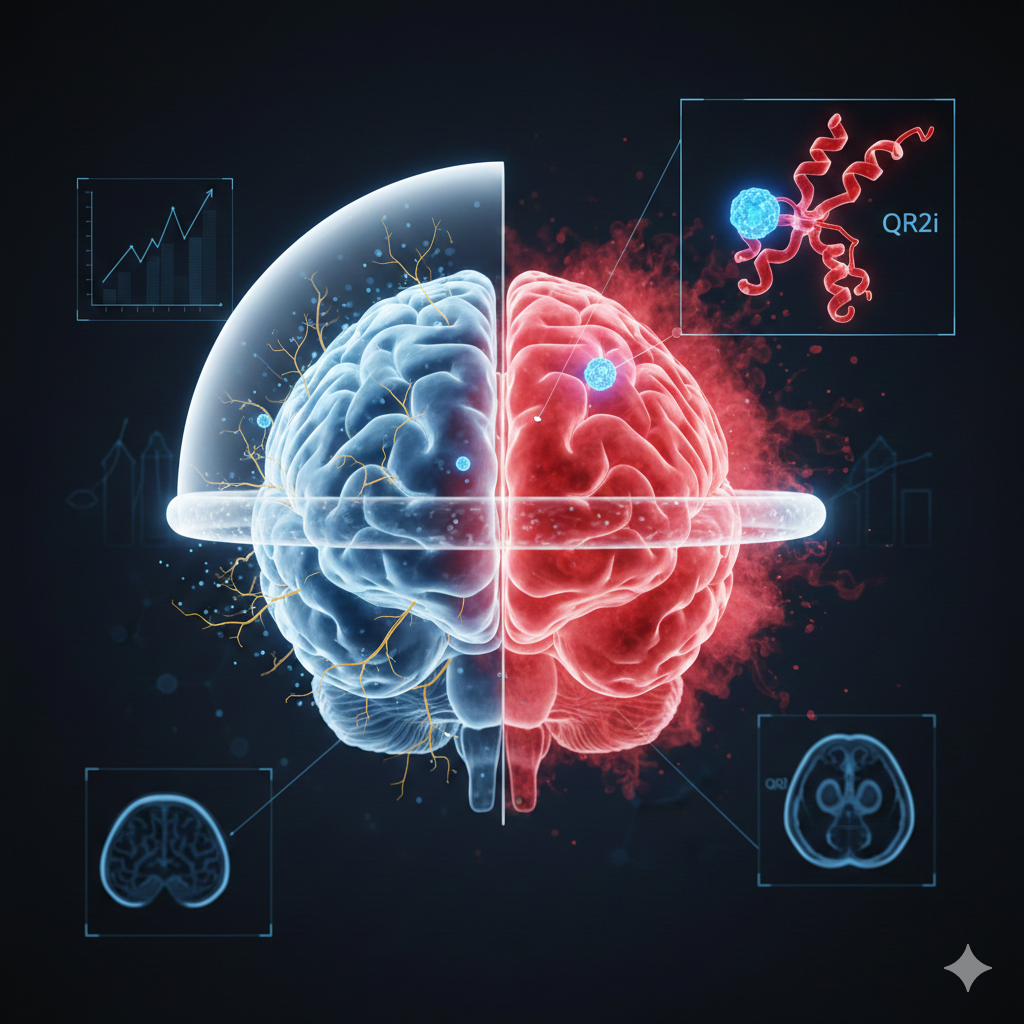
Prof. Kobi Rosenblum,
Department of Neurobiology
QR2i is a first-in-class small molecule therapy targeting quinone reductase 2 (QR2), a key driver of oxidative stress and neuroinflammation following traumatic brain injury. The inhibitors are selective, water-soluble, brain-penetrant, and non-toxic. Together with Shiba Tel Hashomer QR2i was tested in preclinical models, demonstrating neuroprotection, preservation of blood-brain barrier integrity, and sustained cognitive recovery. The platform is IP-protected and supported by clinically translatable imaging and fluid biomarkers, positioning it as a potential disease-modifying therapy in TBI.
QR2i – First-in-Class Therapy for Traumatic Brain Injury (TBI)
PTSD treatment through attention and sensory regulation
Prof. Avi Avital, Department of Occupational Therapy
Digilton is a smartphone-based assessment tool that mirrors the accuracy of the Hamilton Rating Scale for Depression — the gold standard for evaluating depressive symptoms in clinical interviews. It delivers results as accurate as a one-hour clinical interview, in a minute.
Prof. Avi Avital,
Department of Occupational Therapy
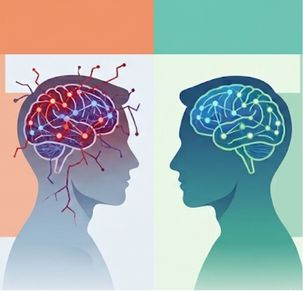
A pharmacological drug combination protocol targeting attention and sensory-emotional regulation. This novel treatment approach could create a differentiated therapeutic pathway for improving PTSD symptoms, cognitive performance, and sensory-emotional functioning.
PTSD treatment through attention and sensory regulation
Anti-inflammatory and fibrosis treatment
Prof. Amiram Ariel, Department of Human Biology
This project develops biased STING agonists as a novel anti-inflammatory therapeutic strategy, with primary focus on liver and lung injury indications. In preclinical models, the lead molecules demonstrated strong, dose-dependent suppression of inflammation, and a favorable safety profile. Studies confirmed differential, indication-specific efficacy in acute acetaminopheninduced liver injury and pulmonary fibrosis, supporting a modular platform approach. This project is advancing towards targeting orphan and high-unmet-need inflammatory indications.
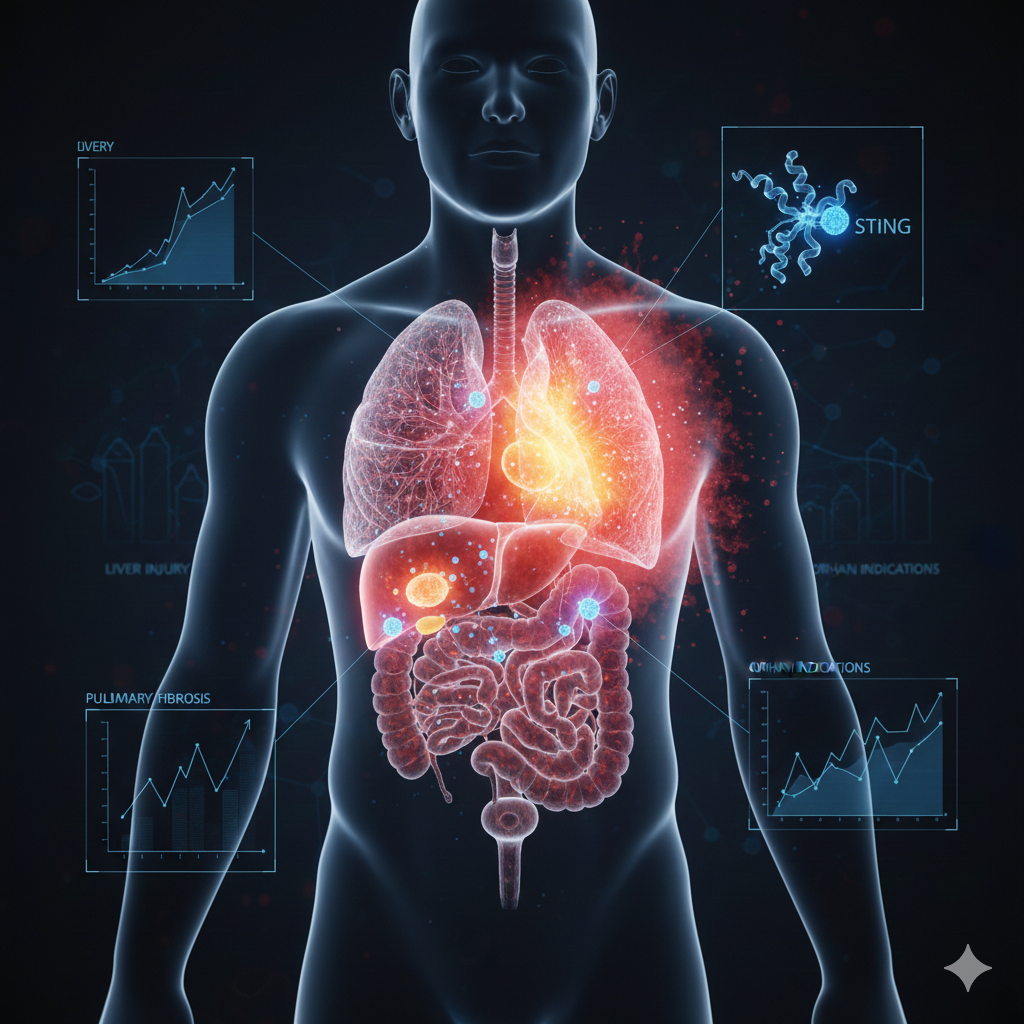
Anti-inflammatory
and fibrosis treatment
Prof. Amiram Ariel,
Department of Human Biology
This project develops biased STING agonists as a novel anti-inflammatory therapeutic strategy, with primary focus on liver and lung injury indications. In preclinical models, the lead molecules demonstrated strong, dose-dependent suppression of inflammation, and a favorable safety profile. Studies confirmed differential, indication-specific efficacy in acute acetaminopheninduced liver injury and pulmonary fibrosis, supporting a modular platform approach. This project is advancing towards targeting orphan and high-unmet-need inflammatory indications.
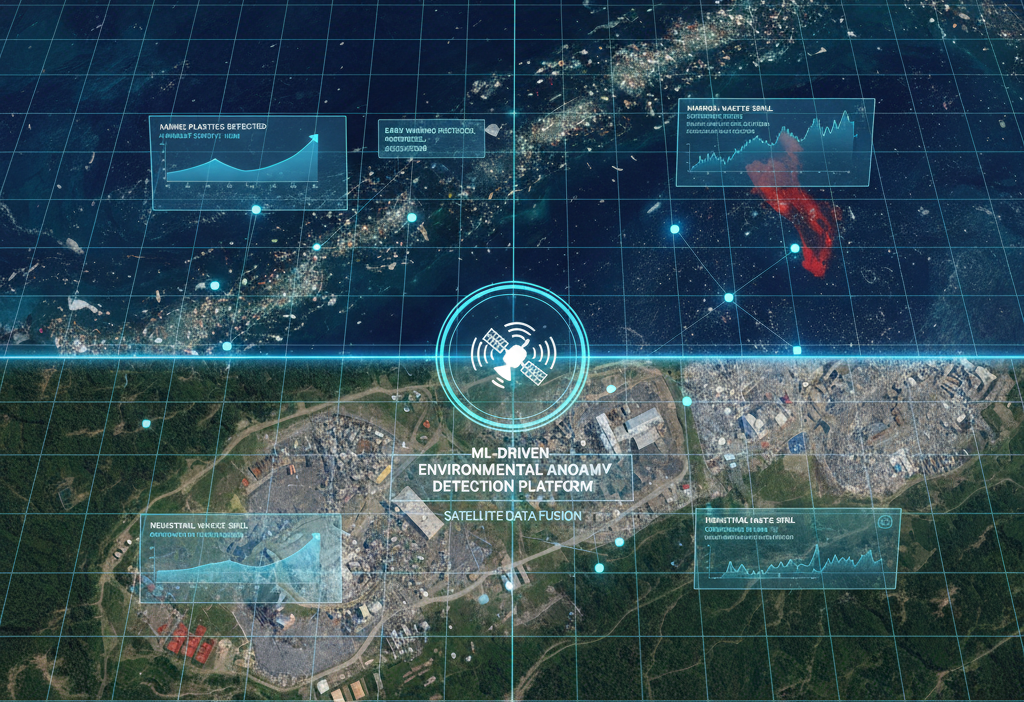
Satellite-Based Detection of Pollution
and Waste Across land and Sea
Prof. Anna Brook, Department of Geography and Environmental studies
A scalable, ML-driven platform that detects pollution and waste as environmental anomalies using satellite data, across both marine and terrestrial environments. The platform fuses multi-sensor satellite imagery and applies advanced anomaly-detection models to identify abnormal patterns in water, soil, and surface conditions, enabling early warning, continuous monitoring, and decision support.
Prof. Anna Brook,
Department of Geography and Environmental studies
A scalable, ML-driven platform that detects pollution and waste as environmental anomalies using satellite data, across both marine and terrestrial environments. The platform fuses multi-sensor satellite imagery and applies advanced anomaly-detection models to identify abnormal patterns in water, soil, and surface conditions, enabling early warning, continuous monitoring, and decision support.
Satellite-Based Detection of Pollution and Waste Across land and Sea
Self-Journey (SIJ) - A VR Therapeutic Platform for Survivors of Childhood Sexual Abuse
Prof. Limor Goldner, School of Creative Arts Therapies
Prof. Rachel Visel, School of Creative Arts Therapies
The project develops an evidence-based virtual reality therapeutic protocol that helps adolescent survivors access safe, effective treatment, reduce dropout from therapy, and strengthen resilience and healing.

Self-Journey (SIJ) - A VR Therapeutic Platform for Survivors of Childhood Sexual Abuse
Prof. Limor Goldner,
School of Creative Arts Therapies
Prof. Rachel Visel,
School of Creative Arts Therapies
The project develops an evidence-based virtual reality therapeutic protocol that helps adolescent survivors access safe, effective treatment, reduce dropout from therapy, and strengthen resilience and healing.
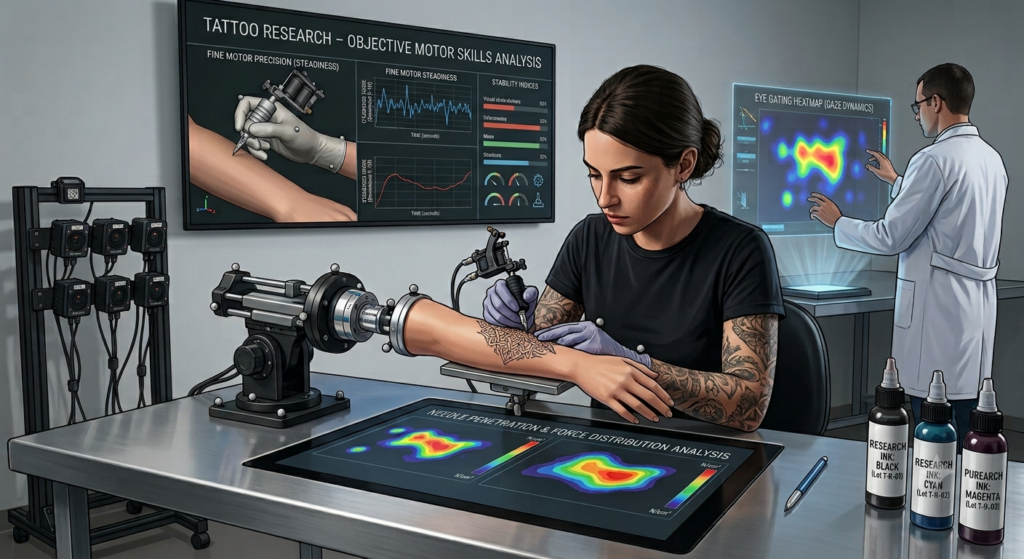
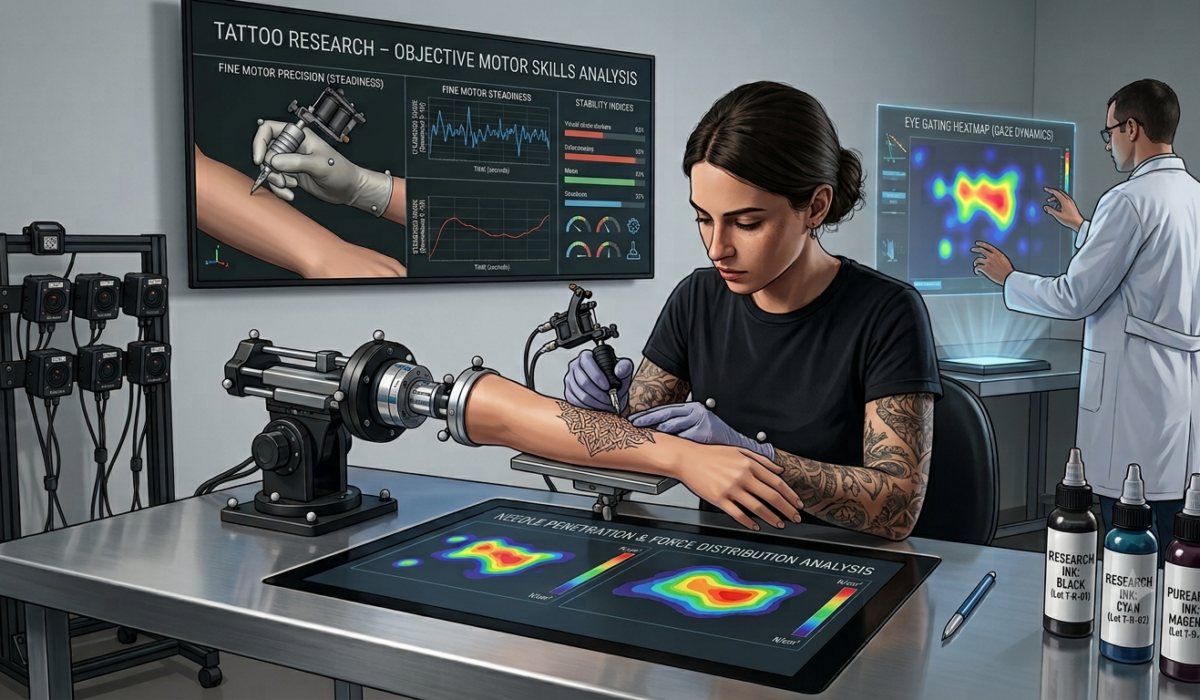
TATOO – Objective motor skills analysis
Dr. Alexandra Saad, Department of Occupational Therapy
TATOO AI is an AI-powered digital platform that uses tablet-based eye-tracking and touch analysis to objectively assess fine motor skills, visual function, and hand-eye coordination. It enables clinicians and researchers to diagnose, monitor, and personalize treatment with fast, accurate, data-driven measurements that replace traditional subjective assessments.
TATOO – Objective motor skills analysis
Dr. Alexandra Saad,
Department of Occupational Therapy
TATOO AI is an AI-powered digital platform that uses tablet-based eye-tracking and touch analysis to objectively assess fine motor skills, visual function, and hand-eye coordination. It enables clinicians and researchers to diagnose, monitor, and personalize treatment with fast, accurate, data-driven measurements that replace traditional subjective assessments.
DIME: Population-Level Intelligence for Fleets of Physical Systems
Dr. Itai Dattner, Department of Statistics
The Opportunity
Modern industry increasingly operates populations of physical assets rather than individual units: fleets of vehicles, robots, and drones; thousands of battery cells; hundreds of manufacturing tools; cohorts of patients in clinical trials. Each unit obeys the same underlying physical or biological dynamics, yet no two units behave identically — manufacturing variation, wear, environment, and individual differences drive each one away from the norm. The central operational question is the same everywhere: which units are genuinely deviating from the population, and with what confidence?
Today’s standard tools analyze each unit in isolation, cannot separate variation arising at different organizational levels (unit, group, site, region), and do not produce statistically calibrated confidence bounds. As digital twins, as-a-service business models, and safety regulation scale up, this is no longer a nuance — it is an architectural gap.
The Technology
- DIME (Direct Integral Mixed-Effects) closes this gap. The dynamics of most engineered and biological systems are described by ordinary differential equations whose unknown parameters enter linearly — a very broad model class. DIME’s core innovation is a mathematical transformation: by integrating the equations and rearranging terms, the hard nonlinear estimation problem is converted exactly into a standard linear mixed-effects model — one of the most mature, best-understood tools in statistics. A two-stage algorithm then estimates population-level parameters, unit-level deviations, and rigorous confidence intervals in one unified framework. The result:
No initialization, no convergence failures. Population estimates come from closed-form linear algebra, not iterative optimization — robust, reproducible, and free of analyst-dependent starting guesses. - Any hierarchy the real world presents. Units within groups within sites within regions — nested, crossed, or both — with the best structure selected automatically from the data.
- Uncertainty you can act on. Confidence intervals are direct outputs, not post-hoc approximations — the statistical foundation for warranties, safety certification, regulatory submissions, and maintenance decisions.
- Built to scale. Stage 1 runs independently per unit and fully in parallel; the pipeline scales linearly with fleet size and suits distributed data architectures. Because estimation reduces to lightweight closed-form computation, DIME can run directly on edge devices — on-board a vehicle, a robot, a battery pack, or a process tool — not only in the cloud.
Where It Applies
DIME is domain-agnostic by construction. Active application tracks include battery management and battery-as-aservice (fleet-wide state-of-health and remaining-useful-life certification), autonomous systems and physical AI (statistically defensible fleet monitoring and safety certification), semiconductor manufacturing (chamber matching and equipment digital twins across tools, lines, and fabs), and pharmaceutical development (population pharmacokinetics across patients, sites, and studies). Any organization operating many instances of the same dynamical system is a candidate.
Status and Engagement
The method is peer-reviewed (Biometrics, Oxford Academic, 2026), fully implemented and validated in Python and R, backed by proven theoretical guarantees, and protected by a pending patent application filed through the University of Haifa. We are seeking industry partners for pilot deployments on real fleet data, licensing discussions, and co-development of domain-specific products. The framework is built for customization and integration with advanced AI: DIME can serve as the rigorous estimation layer in hybrid architectures alongside deep learning, foundation models for physical systems, and other emerging AI approaches — supplying the calibrated uncertainty those models lack.
DIME: Population-Level Intelligence for Fleets of Physical Systems
Dr. Itai Dattner, Department of Statistics
The Opportunity
Modern industry increasingly operates populations of physical assets rather than individual units: fleets of vehicles, robots, and drones; thousands of battery cells; hundreds of manufacturing tools; cohorts of patients in clinical trials. Each unit obeys the same underlying physical or biological dynamics, yet no two units behave identically — manufacturing variation, wear, environment, and individual differences drive each one away from the norm. The central operational question is the same everywhere: which units are genuinely deviating from the population, and with what confidence?
Today’s standard tools analyze each unit in isolation, cannot separate variation arising at different organizational levels (unit, group, site, region), and do not produce statistically calibrated confidence bounds. As digital twins, as-a-service business models, and safety regulation scale up, this is no longer a nuance — it is an architectural gap.
The Technology
- DIME (Direct Integral Mixed-Effects) closes this gap. The dynamics of most engineered and biological systems are described by ordinary differential equations whose unknown parameters enter linearly — a very broad model class. DIME’s core innovation is a mathematical transformation: by integrating the equations and rearranging terms, the hard nonlinear estimation problem is converted exactly into a standard linear mixed-effects model — one of the most mature, best-understood tools in statistics. A two-stage algorithm then estimates population-level parameters, unit-level deviations, and rigorous confidence intervals in one unified framework. The result:
No initialization, no convergence failures. Population estimates come from closed-form linear algebra, not iterative optimization — robust, reproducible, and free of analyst-dependent starting guesses. - Any hierarchy the real world presents. Units within groups within sites within regions — nested, crossed, or both — with the best structure selected automatically from the data.
- Uncertainty you can act on. Confidence intervals are direct outputs, not post-hoc approximations — the statistical foundation for warranties, safety certification, regulatory submissions, and maintenance decisions.
- Built to scale. Stage 1 runs independently per unit and fully in parallel; the pipeline scales linearly with fleet size and suits distributed data architectures. Because estimation reduces to lightweight closed-form computation, DIME can run directly on edge devices — on-board a vehicle, a robot, a battery pack, or a process tool — not only in the cloud.
Where It Applies
DIME is domain-agnostic by construction. Active application tracks include battery management and battery-as-aservice (fleet-wide state-of-health and remaining-useful-life certification), autonomous systems and physical AI (statistically defensible fleet monitoring and safety certification), semiconductor manufacturing (chamber matching and equipment digital twins across tools, lines, and fabs), and pharmaceutical development (population pharmacokinetics across patients, sites, and studies). Any organization operating many instances of the same dynamical system is a candidate.
Status and Engagement
The method is peer-reviewed (Biometrics, Oxford Academic, 2026), fully implemented and validated in Python and R, backed by proven theoretical guarantees, and protected by a pending patent application filed through the University of Haifa. We are seeking industry partners for pilot deployments on real fleet data, licensing discussions, and co-development of domain-specific products. The framework is built for customization and integration with advanced AI: DIME can serve as the rigorous estimation layer in hybrid architectures alongside deep learning, foundation models for physical systems, and other emerging AI approaches — supplying the calibrated uncertainty those models lack.